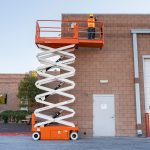
There’s a point on most jobs where a scissor lift just doesn’t cut it. Whilst they have many advantages where vertical access is all you need, they often can’t beat a cherry picker in more advanced access requirements.
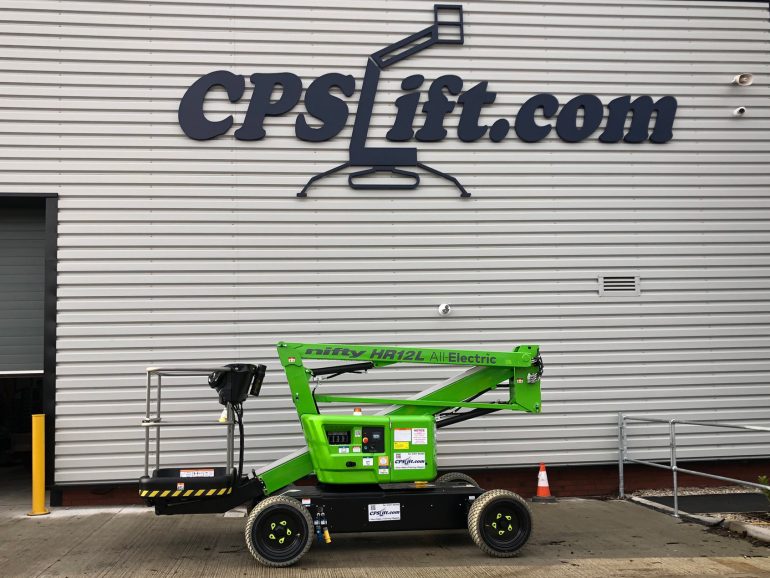
When the work is outwards, around an obstacle, or tucked into a spot you can’t line up with vertically, that’s usually when someone says, “we’ll need a cherry picker for this!”
They’re not always the first option, but when they are, there’s not really any other substitute.
It Mostly Boils Down to Outreach
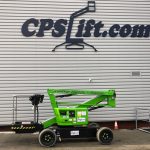
The biggest difference is obvious once you’ve used both types of platform. A cherry picker (boom lift) doesn’t just go up – it goes up and out and over.
This single difference opens up a lot of possibilities when it comes to:
- Reaching over obstacles
- Accessing different nearby areas without repositioning constantly
- Working above structures you can’t get beneath
If the job isn’t nicely lined up with your position, chances are you’re already in cherry picker territory.
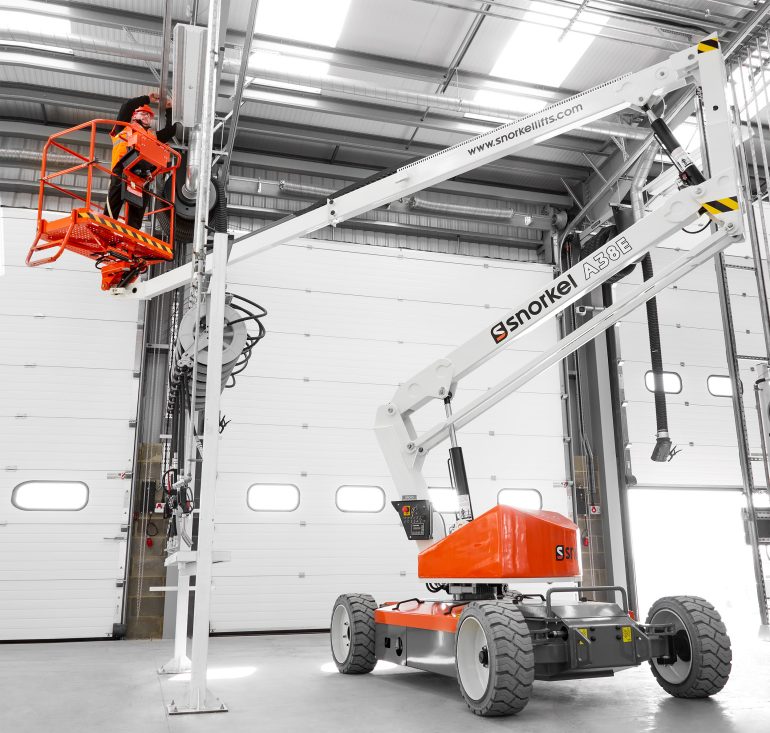
When Positioning is Awkward
On paper, gaining access looks simple. In reality, there’s always something in the way.
This could be:
- A conservatory or extension
- Machinery on a factory floor
- Interior buildings
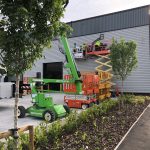
- Trees, fencing, and other landscaping features
Trying to work around these with vertical access gear quickly becomes a waste of time. You either keep moving the machine every few minutes, or you accept you can’t get to where you need to be.
A cherry picker removes most of this friction. You can often set up once, swing into place, and get on with the job – moving up, down and around, as needed to finish your work.
External Work is Where Cherry Pickers Shine
Whilst still extremely useful indoors, cherry pickers do tend to earn their keep outside.
They’re the perfect access solution for:
- Building exteriors
- Roofline access
- Signage installation
- Window or cladding work
- Tree surgery
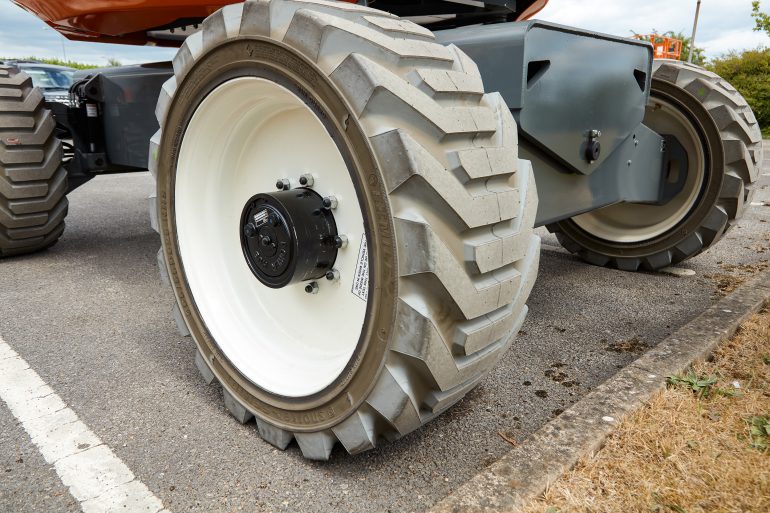
These types of job all lean heavily towards boom rather than vertical access solutions. Even more so when ground conditions aren’t perfect as a lot of cherry pickers are built to handle rough terrain, slopes, and awkward access routes without too much trouble. Whilst rough terrain scissors do exist, cherry pickers tend to be the winner here.
When They’re Not Ideal
Cherry pickers aren’t the go-to choice for all access requirements, however.
If the job is:
- Directly overhead or side on
- Repetitive across a large flat area
- Indoors with tight space constraints
…then they can be slower, more cumbersome, and unnecessary when compared to a basic scissor lift.
They also take a bit more thought to operate safely, with positioning, swing radius, and awareness of surroundings all coming into play (more so when compared with simpler access equipment).
Cost vs Efficiency
On paper, a cherry picker is often more expensive to hire than a scissor lift, but that doesn’t always mean it costs more overall.
If hiring a cherry picker, you will often be able to:
- Cut setup times
- Reduce repositioning
- Get the job done in fewer passes
In this instance, the hire cost tends to balance itself out pretty quickly, and choosing the wrong machine is usually where time (and money) disappears.
How to Decide?
In most cases, choosing between a cherry picker or a vertical access solution (such as a scissor lift or mast lift), all boils down to one simple question; “Can you position directly under the work area at all times?”
If yes – a scissor lift will likely be more suitable for the job
If no – you’ll likely need a cherry picker
It’s not a perfect rule, but we find this to be right more often than not.
Final Thoughts
Cherry pickers aren’t about “being better” – they’re about getting to places other machines can’t.
When the path to working at height isn’t vertical, when there’s something in the way, or when repositioning becomes a constant annoyance, they start to make sense very quickly.
Use one when you need it, not just because it’s there. But when you do need it, you’ll thank yourself for making the decision.
If you have any questions about cherry pickers or other types of access solutions, simply get in touch with a member of our team who will be happy to help you find the most suitable platform for your job.
Our Blog